Understanding Mini LED Technology
Mini LED technology has emerged as a leading innovation in television display technology, giving consumers new options for high-quality viewing experiences. As the demand for superior brightness, contrast, and color accuracy continues to grow, manufacturers are refining their approaches to mini LED technology. This article aims to explore the fundamentals of mini LED, how it compares to traditional technologies, and what to consider when purchasing your next mini LED TV.
What is Mini LED Technology?
Mini LED technology involves using a backlight composed of thousands of tiny LEDs, allowing for advanced local dimming capabilities. This means that specific areas of the screen can be dimmed or brightened independently, resulting in enhanced contrast ratios. The smaller size of the LEDs enables more precise control over light distribution, creating deeper blacks and brighter highlights compared to conventional LED displays.
How Mini LED Compares to OLED and QLED
While OLED technology uses organic materials to emit light directly from each pixel, mini LED TVs enhance the standard LED backlighting to improve performance. On the other hand, QLED displays, which are driven by quantum dots, often excel in brightness and color volume. Mini LED finds a middle ground, offering significant improvements over traditional LED but may not reach the absolute black levels of OLED. Each technology has its strengths and choosing between them depends on specific viewing preferences and conditions.
Benefits of Choosing Mini LED TVs
- Superior Brightness: Mini LED TVs can achieve higher brightness levels, making them ideal for brightly lit environments.
- Enhanced Contrast: Thanks to improved local dimming, mini LED TVs produce better contrast ratios, resulting in more dynamic images.
- Color Accuracy: The integration of advanced HDR capabilities allows for vibrant colors and lifelike images.
- Thin Design: Mini LED TVs can be slimmer than traditional LED models, offering aesthetic advantages for wall mounting.
Top Mini LED TVs of 2026
As we step into 2026, the mini LED market is becoming increasingly competitive, bringing forth numerous options for every budget and need. Below are some of the standout models for this year.
Best Overall Mini LED TV
The Samsung QN900C Mini LED TV is currently touted as the best overall option, combining advanced features with exceptional performance. With 8K resolution, stunning color reproduction, and an ultra-slim profile, it is perfect for cinephiles and gamers alike.
Best Budget Mini LED TV
If you’re looking for something more affordable, the TCL 6-Series R646 strikes an excellent balance between performance and price. This model offers impressive brightness and color accuracy, making it a great choice for everyday viewing without breaking the bank.
Best Mini LED TV for Gaming
The Asus ROG Swift PG32UQX stands out as the top choice for gamers. Equipped with a high refresh rate and G-Sync compatibility, it provides a smooth and immersive gaming experience, along with the rich visual detail that mini LED technology can deliver.
Key Features to Consider When Buying
Choosing the right mini LED TV involves understanding several key features. Here’s what to keep in mind before making your purchase.
Screen Size and Resolution
Screen size and resolution are crucial factors that significantly influence your viewing experience. Whether you prefer a compact model for a smaller living room or a large screen for a home theater setup, make sure to choose a size that fits your space. Resolution options include 4K and 8K, with 8K providing the best detail if you’re future-proofing your purchase.
Smart Features and Operating Systems
Modern mini LED TVs come equipped with smart capabilities, allowing users to access streaming services and applications directly. Look for models with user-friendly operating systems such as Tizen, webOS, or Android TV, which offer wide app compatibility and intuitive navigation.
Audio Quality and Additional Features
While the focus is typically on display quality, audio should not be overlooked. Many mini LED TVs include features like Dolby Atmos support for immersive sound. Furthermore, consider additional functionalities like voice control compatibility and built-in casting capabilities.
Setting Up Your Mini LED TV
Properly setting up your mini LED TV can significantly enhance your viewing experience. Follow these tips to ensure optimal performance.
Optimal Placement for Best Viewing Experience
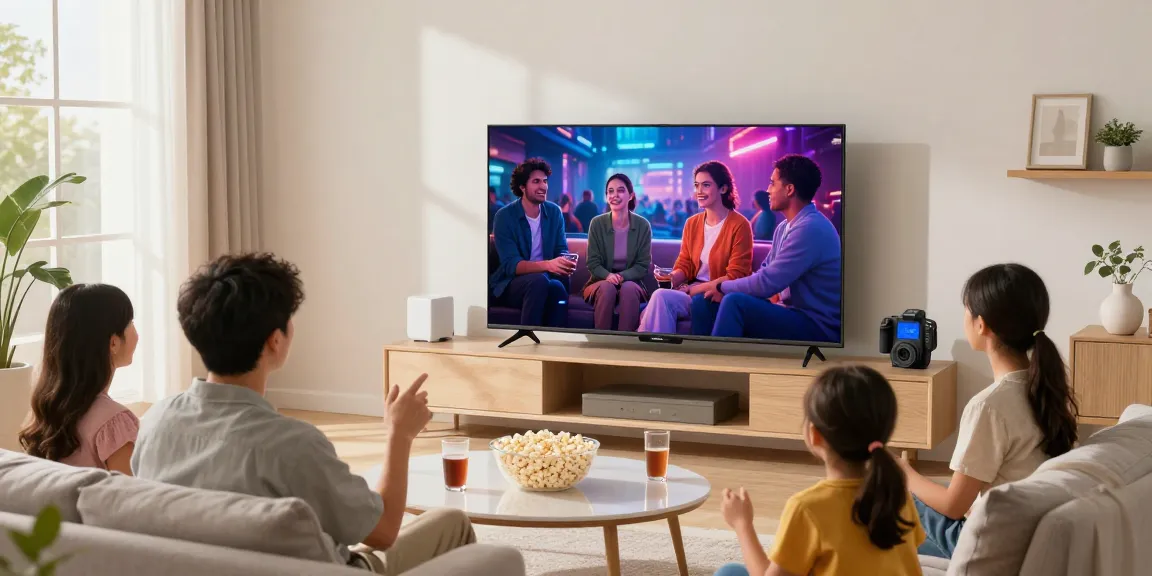
Placement is essential for achieving the best picture quality. Ideally, your TV screen should be at eye level when seated, and distance from the screen should correspond to its size (generally, 1.5 to 2.5 times the diagonal size of the screen).
Connecting Smart Home Devices
Many mini LED TVs are compatible with smart home devices. Consider integrating your TV with devices such as smart speakers for enhanced voice control functionality, making your viewing experience more interactive and enjoyable.
Calibrating Your Mini LED TV
To maximize color accuracy and contrast, calibration of your mini LED TV is crucial. Many TVs offer preset modes (like cinema, sports, or game) which can be helpful, but manual calibration using guided steps or professional calibration can yield the best results.
Future Trends in Mini LED Television
As mini LED technology continues to advance, several trends are emerging that could shape the future of television viewing.
Emerging Technologies and Innovations
New innovations such as improved local dimming algorithms and the integration of AI for picture enhancement are on the horizon. These advancements are expected to refine contrast ratios and color accuracy even further, providing viewers with richer visual experiences.
Sustainability in Mini LED Manufacturing
As consumer demand for eco-friendly products grows, manufacturers are focusing on sustainability. This includes efforts to use recyclable materials in TV production and reducing energy consumption during the device’s lifecycle.
Predictions for Mini LED TVs in 2027 and Beyond
Looking ahead, mini LED technology is predicted to become more mainstream, with price reductions and wider adoption among manufacturers. Expect to see more choices in terms of screen sizes, features, and price points, making these TVs accessible to a broader audience.
What are Mini LED TVs Advantages?
The advantages of mini LED TVs include their ability to produce brighter images, better color precision, and improved energy efficiency compared to older technologies. These factors contribute to a superior viewing experience in various settings.
How does Mini LED Compare to Quantum Dot Technology?
When comparing mini LED to quantum dot technology, it’s important to note that mini LED enhances the backlight, while quantum dots improve color output and vibrancy. Combining both technologies can lead to exceptionally high-quality displays.
Are Mini LED TVs Worth the Investment?
Ultimately, investing in a mini LED TV can enrich your home entertainment system, particularly for avid movie watchers and gamers. Their advanced technology offers significant benefits that can enhance the viewing experience considerably.