
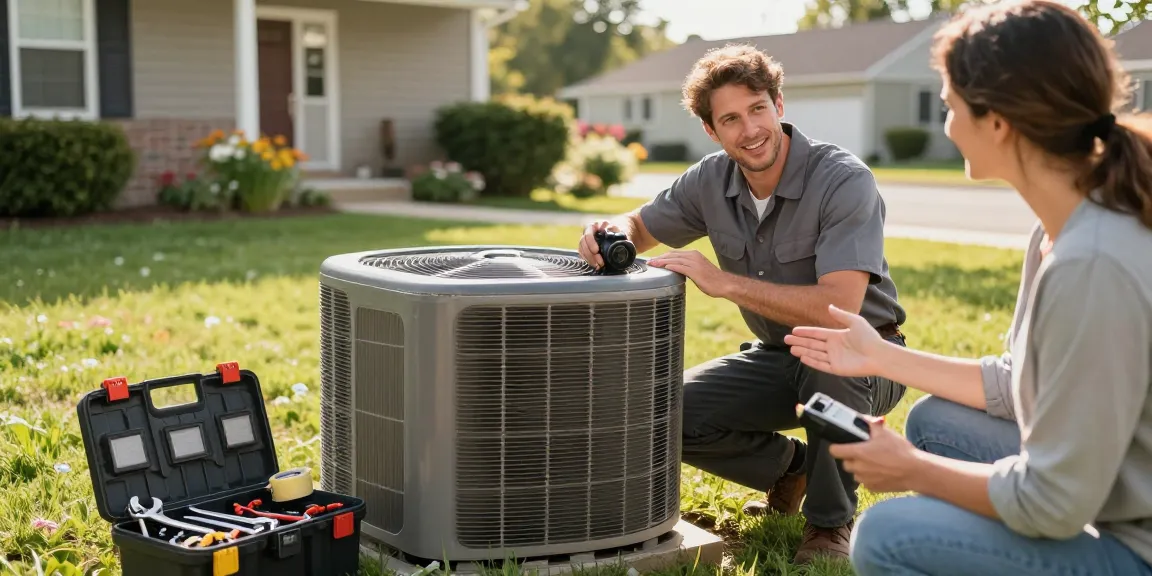
Understanding HVAC Systems for Stevens Point Homes
For homeowners in Stevens Point, having a reliable HVAC (Heating, Ventilation, and Air Conditioning) system is crucial. The fluctuating Wisconsin weather—from frigid winters to warm summers—demands a versatile and efficient system. Understanding the various components and functions of HVAC systems not only aids in choosing the right system but is also vital for effective maintenance. When exploring options, HVAC Stevens Point WI provides comprehensive insights into what local service providers offer.
Overview of HVAC Components and Functions
The HVAC system consists of several key components that work together to maintain indoor comfort. These include:
- Heating Equipment: This typically includes furnaces or heat pumps that generate heat to keep your living space warm.
- Cooling Units: Central air conditioning systems or ductless mini-splits provide cool air during the hot summer months.
- Ventilation: This component ensures that fresh air circulates throughout the home while expelling stale air, which is crucial for maintaining air quality.
- Thermostats: These devices help regulate the temperature by controlling the heating and cooling systems, ensuring optimal energy use.
Importance of Seasonal Maintenance
Regular maintenance of your HVAC system is essential to ensure its longevity and efficiency. Seasonal tune-ups help identify potential issues before they turn into costly repairs. Additionally, clean filters and well-maintained units operate more efficiently, which can lead to lower energy bills. Homeowners should consider scheduling maintenance at least twice a year—once before the heating season and once before the cooling season.
Common HVAC Issues in Wisconsin
Stevens Point homeowners may face unique HVAC challenges due to the state’s climate. Some common issues include:
- Heating Failures: Furnaces may struggle to keep up during extreme cold.
- Cooling Problems: Central air systems may not effectively cool homes during the humid summer months.
- Thermostat Issues: Malfunctioning thermostats can lead to incorrect temperature regulation.
- Air Quality Concerns: Poor ventilation can result in indoor air pollution, affecting health and comfort.
Factors Influencing HVAC Installation Costs
Size and Type of System Required
The size and type of HVAC system needed directly impact installation costs. A system that is too small will struggle to maintain comfort, while an oversized system can lead to higher energy costs and inefficient performance. Assessing the square footage of your home, insulation quality, and number of windows are critical steps in determining the right system.
Energy Efficiency Ratings and Their Impact
Energy efficiency is another important consideration when choosing an HVAC system. Systems are rated using the Seasonal Energy Efficiency Ratio (SEER) for cooling and Annual Fuel Utilization Efficiency (AFUE) for heating. Higher ratings often mean higher upfront costs, but they can lead to substantial savings on energy bills over time.
Labor Costs and Local Market Variations
Labor costs for installation can vary significantly based on local market conditions and the complexity of the installation. Labor fees may include removing old units, installing new ductwork, and ensuring the system is properly integrated with existing structures. It’s advisable to obtain multiple quotes to gain a better understanding of the expected installation expenses.
Clear Pricing Before You Schedule: What to Expect
Typical Price Range for Installation
The price for HVAC installation can range widely, typically between $3,000 and $10,000, depending on various factors listed previously. This range includes both equipment and installation costs. A high-efficiency system will often cost more upfront but could lead to long-term savings on energy bills.
Diagnostic Visit Fees Explained
Many HVAC providers charge a diagnostic fee, which covers the technician's travel and initial inspection. For instance, this fee may be around $89 in Stevens Point. This fee is often credited towards the final repair cost if the customer decides to proceed with the service.
Preparing Your Home for Installation
Proper preparation is essential for a smooth HVAC installation process. Homeowners should ensure clear access to installation areas and discuss any relevant details with the installation team beforehand. It’s also a good idea to clear out any furniture or obstacles that may impede the technicians’ work.
Choosing the Right HVAC Provider in Stevens Point
Checking Qualifications and Customer Reviews
Choosing the right provider is critical for ensuring quality service. Homeowners should check for licenses, insurance, and certifications. Additionally, reading customer reviews can provide insights into a company’s reliability and customer service track record.
Importance of Local Expertise
Local expertise is invaluable when it comes to understanding the specific needs of Stevens Point homes. A provider familiar with the area will understand the common HVAC issues that arise due to local weather conditions and building practices. This knowledge can result in better recommendations and enhanced service.
Understanding Service Guarantees and Warranties
Before selecting an HVAC service provider, homeowners should inquire about service guarantees and warranties. These policies provide assurance that the company stands behind its work, offering peace of mind in case future issues arise.
Future Trends in HVAC Services for 2026 and Beyond
Innovations in Energy Efficiency Technologies
The HVAC industry is continually evolving, with a strong focus on energy efficiency. Innovations such as variable refrigerant flow (VRF) systems and advanced heat pumps are becoming more commonplace as they offer significant energy savings compared to traditional systems. As technology progresses, homeowners can expect even more efficient solutions that will reduce their carbon footprint.
Smart Home Integration with HVAC Systems
The integration of smart home technology with HVAC systems is another trend on the rise. Devices like smart thermostats allow homeowners to monitor and control their HVAC systems remotely, optimizing energy use and enhancing comfort through data-driven insights.
Eco-Friendly Solutions and Sustainability Practices
As the demand for sustainable living increases, HVAC providers are also focusing on eco-friendly solutions. This includes the use of environmentally friendly refrigerants and energy-efficient systems that align with the growing trend towards sustainability in home design and renovation.
What are the benefits of regular HVAC maintenance?
Regular maintenance helps to extend the life of your system, reduce the likelihood of breakdowns, and ensure optimal performance. Routine checks can identify minor issues before they escalate into costly repairs.
How can I improve my HVAC system's efficiency?
Improving efficiency can be achieved through regular filter changes, insulation upgrades, and by utilizing programmable thermostats to better manage heating and cooling needs.
What should I do if my HVAC system is not heating?
If your HVAC system is not heating properly, check the thermostat settings first. If everything seems correct, inspect the air filters and ensure they are clean. If issues persist, it might be time to call a professional.
How often should I replace my HVAC filters?
Generally, it’s advisable to replace air filters every 1-3 months, depending on usage and the type of filter used. Under heavy use or with pets in the home, monthly changes may be necessary.
What signs indicate I need a new HVAC system?
Some signs that it might be time for a new system include frequent breakdowns, rising energy bills, and uneven heating or cooling throughout the home. Additionally, systems older than 10-15 years may not operate efficiently compared to new models.